01
Every Scenario, Accounted For
116 distinct challenges, mapped across seven categories - buyer, seller, lender, property, escrow, appraisal, and agent. If it can go wrong, it is in this book.
Your real estate guide by your side.
Every real estate transaction hits turbulence. The difference between a closing and a collapse is knowing how to navigate it. Diane Cardano-Casacio's definitive guide identifies all 116 challenges that can derail a deal - and walks you through every one.

For over three decades, Diane Cardano-Casacio has guided Pennsylvania home sellers and buyers through the most complex transactions in real estate. Her team sells 95% of their listings in 26 days or less - and for more than the asking price.
Diane founded CARDANO, REALTORS® on one principle: treat every client's money as if it were her own. That philosophy, combined with decades of deal-saving experience, is the foundation of Navigating Transactional Turbulence.
Three reasons this book belongs on every buyer, seller, and agent's shelf.
116 distinct challenges, mapped across seven categories - buyer, seller, lender, property, escrow, appraisal, and agent. If it can go wrong, it is in this book.
Each chapter delivers the actual moves Diane makes when a deal is on the line. Contract language, lender conversations, negotiation frameworks - ready to apply.
Drawn from the closings, conflicts, and recoveries Diane has personally navigated across Montgomery, Bucks, Philadelphia, Chester, and Delaware counties.
Click any card to read Diane's guidance on navigating that challenge. Use the filters to jump to the category that matters most to you.
Misstating income, debts, or employment on a loan application isn't a shortcut - it's mortgage fraud that can kill the deal and trigger federal penalties. Diane walks buyers through how underwriters cross-verify every figure and why full transparency is the only path to closing.
Read the full chapter in the book →A single 30-day late payment during escrow can drop a credit score enough to change the loan terms or disqualify the borrower entirely. This chapter shows how to protect credit through closing and what to do if a late payment slips through.
Read the full chapter in the book →Debt-to-income ratio is the silent killer of loan approvals. Diane explains how lenders calculate it, which debts weigh heaviest, and the specific moves buyers can make to bring their ratio into approvable range.
Read the full chapter in the book →A job loss mid-transaction almost always blows up the loan - but not always the deal. Diane covers the narrow paths forward, how to communicate with the lender, and when switching strategy is smarter than walking away.
Read the full chapter in the book →When a co-borrower's income disappears, the loan has to be re-underwritten on the remaining income alone. This chapter walks through restructuring the deal and the decisions that keep it alive.
Read the full chapter in the book →Pay stubs, W-2s, and tax returns don't always tell the full income story - especially for bonus earners, tipped workers, and commissioned sales. Diane shows how to document income lenders will actually count.
Read the full chapter in the book →Many buyers count on overtime to qualify, only to learn the lender won't credit it without a two-year history. This chapter explains the rules and the workarounds that keep the deal moving.
Read the full chapter in the book →Buying a car or furniture before closing is one of the most common deal-killers Diane sees. She explains why even a small new debt can unravel an approved loan - and the strict rule to follow until keys are in hand.
Read the full chapter in the book →Major life events during escrow force hard decisions fast. Diane shares how to evaluate whether to pause, restructure, or release the contract, and how to protect the earnest money either way.
Read the full chapter in the book →A disengaged buyer misses deadlines, skips inspections, and drifts into default. This chapter covers how to diagnose cold feet early and the accountability systems that keep a transaction on track.
Read the full chapter in the book →Gift funds are fragile. When a donor pulls back, Diane shows buyers how to document alternate funds, pivot the loan program, and avoid a last-minute cash shortage at closing.
Read the full chapter in the book →Lenders need the full, signed divorce decree to verify child support, alimony, and property settlement. Diane explains how to retrieve it quickly and what to do when the paperwork is incomplete.
Read the full chapter in the book →Past bankruptcy doesn't disqualify a buyer, but missing discharge paperwork will. This chapter covers how to locate the records and how the seasoning timeline affects loan programs.
Read the full chapter in the book →Two years of tax returns are non-negotiable for most loans. Diane walks through IRS transcripts, amended returns, and the fastest legal paths to replace missing filings.
Read the full chapter in the book →Lenders need every page of every account - including blanks. This chapter shows how to pull statements quickly and how to address unexplained deposits before they flag the file.
Read the full chapter in the book →A reluctant or slow-responding landlord can stall verification of rent for weeks. Diane covers acceptable substitutes - cancelled checks, bank debits, and affidavits - that keep underwriting moving.
Read the full chapter in the book →A quarter-point move can knock a borrower out of DTI range. Diane explains rate-lock strategy, loan program pivots, and how to re-qualify without losing the home.
Read the full chapter in the book →Mid-stream program changes can reshape the entire deal economics. This chapter covers how to audit the new terms, push back on unjustified fees, and decide whether to switch lenders.
Read the full chapter in the book →Child support - whether paid or received - must be documented correctly. Diane explains how to verify the payment history and why nondisclosure is an avoidable deal-killer.
Read the full chapter in the book →Each loan program has its own seasoning clock after bankruptcy. This chapter maps out which programs are available, when, and what compensating factors can shorten the wait.
Read the full chapter in the book →A payment that doubles previous housing costs triggers a lender payment-shock review - and a buyer's own gut check. Diane walks through the math, the mitigation, and the hard conversations.
Read the full chapter in the book →New graduates, career changers, and gap-employment buyers face extra scrutiny. This chapter covers the documentation and letters of explanation that get thin files approved.
Read the full chapter in the book →Handwritten or self-generated pay stubs almost always trigger a deeper income audit. Diane shows how to document cash or informal income through bank deposits and tax records instead.
Read the full chapter in the book →Starting a new job mid-transaction - especially one with a probation clause - puts the loan at risk. This chapter covers offer letter language and lender expectations that preserve approval.
Read the full chapter in the book →Moving from salary to straight commission changes the income calculation overnight. Diane explains why lenders treat it as a new employment history and how to time the transition correctly.
Read the full chapter in the book →A death in the middle of escrow is emotionally and legally complex. This chapter walks through surviving-spouse provisions, estate involvement, and the compassionate path forward.
Read the full chapter in the book →When champagne taste meets a beer budget, something has to give. Diane shows how to reset expectations with data, not pressure, and refocus buyers on homes they can actually close on.
Read the full chapter in the book →Buyer's remorse often surfaces as a misrepresentation claim. This chapter covers how to evaluate the complaint fairly, what the disclosures actually say, and when to escalate or settle.
Read the full chapter in the book →VA loans require the DD214 to verify service eligibility. Diane walks veterans through the fastest ways to replace lost records and keep the VA benefit intact.
Read the full chapter in the book →Discovering a cash shortage on the HUD-1 the night before closing is every agent's nightmare. This chapter covers gap financing, family gifts, and seller credits that can bridge it.
Read the full chapter in the book →Every dollar at closing must be sourced and seasoned. Diane explains what counts as a paper trail, what doesn't, and the simple habit that keeps funds acceptable to underwriting.
Read the full chapter in the book →A forgotten cashier's check can delay closing by a full day. This chapter covers wire-transfer backups, bank timing, and the pre-closing call that prevents the panic.
Read the full chapter in the book →Cold feet on the seller side is harder to spot and harder to fix. Diane shares the early warning signs and the conversations that either re-commit the seller or allow a clean release.
Read the full chapter in the book →A seller who can't find their next home often tries to back out of yours. This chapter covers rent-back agreements, extended closings, and contingency language that protects both sides.
Read the full chapter in the book →No interior access means no usable appraisal. Diane explains the legal obligations, the diplomacy required, and the fallback inspection strategies when access is denied.
Read the full chapter in the book →Delayed inspections compress every downstream deadline. This chapter covers contract remedies, scheduling tactics, and how to hold sellers accountable without blowing up the deal.
Read the full chapter in the book →Chandeliers, appliances, and mounted TVs are the usual disputes. Diane walks through the fixture rule, the addendum language, and the walkthrough protocol that prevents closing-table fights.
Read the full chapter in the book →When payoff demands exceed the sale price, the seller has to bring cash or negotiate. This chapter covers short sale mechanics, lien negotiations, and the options that keep the deal alive.
Read the full chapter in the book →Partial ownership - through heirs, ex-spouses, or silent partners - can freeze a transaction. Diane explains how to trace title and gather the signatures required to deliver marketable ownership.
Read the full chapter in the book →Co-owners in different states, on deployment, or at odds with each other create signature delays. This chapter covers remote notarization, power of attorney, and contingency planning.
Read the full chapter in the book →A traveling seller without proper POA can stall closing for weeks. Diane shows how to set up a limited POA in advance and the remote-signing tools that bridge the gap.
Read the full chapter in the book →A seller who won't move out on schedule creates possession problems and potential lawsuits. This chapter covers use-and-occupancy agreements and the leverage that enforces the timeline.
Read the full chapter in the book →Incomplete repairs at the final walkthrough can halt closing. Diane explains escrow holdbacks, credit-in-lieu negotiations, and how to decide what's worth fighting over.
Read the full chapter in the book →A foreclosure filing mid-escrow accelerates every timeline. This chapter covers how to negotiate with the lender, extend sale dates, and race to close before auction.
Read the full chapter in the book →Known defects and neighborhood issues must be disclosed. Diane explains seller disclosure law, buyer remedies, and the path to resolution that avoids litigation.
Read the full chapter in the book →Post-closing defect discoveries can trigger rescission or damages. This chapter walks through the burden of proof, the statute of limitations, and the practical resolutions available.
Read the full chapter in the book →Condos, co-ops, farms, and commercial-residential hybrids each have unique rules. Diane explains why agent specialty matters and how to tell when it's time to bring in an expert.
Read the full chapter in the book →Tenant-occupied or seasonally-accessed properties create scheduling nightmares. This chapter covers notice requirements, alternate entry strategies, and contract extensions that absorb delays.
Read the full chapter in the book →A disorganized lender processing file can push closing back weeks. Diane shares the checklist she uses to audit file progress and push each conditional approval toward clear-to-close.
Read the full chapter in the book →An agent who can't manage client expectations invites chaos. This chapter covers the weekly check-in cadence and proactive communication that keeps clients calm and deals moving.
Read the full chapter in the book →An unreachable agent mid-transaction is a fiduciary breach waiting to happen. Diane explains team coverage, backup protocols, and the questions to ask any agent before hiring.
Read the full chapter in the book →Ego-driven agents make decisions that serve themselves, not the client. This chapter covers the red flags and the polite but firm way to redirect the transaction.
Read the full chapter in the book →Unprepared agents miss comps, miss flags, and miss deadlines. Diane details the preparation standard every top agent holds themselves to, and what clients should expect on day one.
Read the full chapter in the book →A weak pre-qualification sets up a late-stage collapse. This chapter covers the difference between pre-qual and pre-approval and what a credible letter actually contains.
Read the full chapter in the book →Appraisal-driven repair requirements surprise sellers and stall closings. Diane walks through which repairs lenders typically demand, who pays, and how to negotiate reasonable timelines.
Read the full chapter in the book →Rate volatility can reshape the deal mid-flight. This chapter covers lock strategy, float-down options, and when to switch programs to rescue the closing.
Read the full chapter in the book →New debt, new inquiries, or new employment news can tank approval at the finish line. Diane explains the silence-is-golden rule for buyers in the final 30 days.
Read the full chapter in the book →Last-minute conditions are frustrating but negotiable. This chapter covers how to push back on unnecessary asks and how to fast-track legitimate ones.
Read the full chapter in the book →A lost file is embarrassing - and recoverable. Diane shares the documentation habits that let borrowers reconstruct a file in hours instead of days.
Read the full chapter in the book →Death by a thousand document requests is the mark of a weak lender. This chapter covers the comprehensive upfront checklist every serious borrower should demand.
Read the full chapter in the book →A funding delay breaks every chain it's part of. Diane explains the wire cut-off reality, the escalation path, and the legal remedies when a lender misses funding.
Read the full chapter in the book →A failed septic or well inspection can halt rural transactions. This chapter walks through remediation timelines, cost-sharing negotiations, and alternate approval paths.
Read the full chapter in the book →Major termite damage reshapes the deal economics. Diane covers independent contractor estimates, credit negotiations, and how to decide when to walk.
Read the full chapter in the book →Square footage discrepancies and hidden conditions affect value and lending. This chapter covers tax-record comparisons, measurement standards, and renegotiation language.
Read the full chapter in the book →Fire, flood, or storm damage before closing triggers risk-of-loss provisions. Diane explains the contract default, insurance proceeds, and buyer's options to cancel or proceed.
Read the full chapter in the book →Foundation, roof, or load-bearing problems require engineer involvement. This chapter covers scope-of-work evaluation and the repair-credit negotiation that makes the deal work.
Read the full chapter in the book →No insurance means no loan. Diane explains the underlying causes - wildfire zones, prior claims, aging systems - and the FAIR Plan or surplus-lines alternatives.
Read the full chapter in the book →Zoning mismatches can limit financing and use. This chapter covers variance applications, grandfathered-use documentation, and the title-insurance protections available.
Read the full chapter in the book →A fence, deck, or overhang over the property line creates marketable-title problems. Diane walks through surveys, easement agreements, and lot-line adjustments.
Read the full chapter in the book →Custom, historic, or oversized homes often lack true comps. This chapter covers expanded search radius, adjustment methodology, and rebuttal evidence that supports value.
Read the full chapter in the book →Silent title companies cost weeks. Diane shares the status-call cadence and document checklist that keeps escrow transparent and on-schedule.
Read the full chapter in the book →Payoff demands, HOA certs, and tax certificates have their own timelines. This chapter covers which items to request first and how to escalate when responses lag.
Read the full chapter in the book →Travel plans and signing deadlines collide more often than they should. Diane covers remote notary options, POA alternatives, and the calendar discipline that prevents it.
Read the full chapter in the book →Errors in the settlement statement or deed trigger last-minute corrections. This chapter covers how to review documents early and the red-lining protocol that catches errors.
Read the full chapter in the book →Slow communication in escrow is a deal risk, not a personality quirk. Diane explains the response-time expectations to set and enforce from day one.
Read the full chapter in the book →A fragmented escrow team misses handoffs. This chapter covers the single-point-of-contact model and how to demand it when volume escrow shops fall short.
Read the full chapter in the book →Rigidity over minor issues can tank a closing. Diane shares the escalation strategy and the alternate-closer option when common sense is in short supply.
Read the full chapter in the book →Late-discovered liens demand fast payoff or subordination. This chapter covers the most common surprise liens and the expedited clearance strategies that exist.
Read the full chapter in the book →Appraisal bottlenecks are real and getting worse. Diane covers rotation panels, rush-fee negotiations, and the timeline protections to write into every contract.
Read the full chapter in the book →Low-inventory markets produce thin comp sets. This chapter covers expanded-radius appraisals, listing data as support, and the rebuttal letter that reopens a low value.
Read the full chapter in the book →An out-of-network appraisal gets rejected outright. Diane explains how AMC rotation works and how to confirm appraiser eligibility before the inspection is ordered.
Read the full chapter in the book →Factual errors in an appraisal are correctable. This chapter covers the reconsideration-of-value process, the evidence packet that wins, and when a second appraisal is worth it.
Read the full chapter in the book →Second appraisals happen on high-value or fast-appreciating homes. Diane explains who pays, how to prepare, and the timeline impact to build into the contract.
Read the full chapter in the book →Pest-inspection scheduling is tighter than most agents realize. This chapter covers the regional providers, seasonal bottlenecks, and the advance-booking habit that prevents delays.
Read the full chapter in the book →Overly-aggressive inspection reports scare buyers away from solid homes. Diane explains how to interpret inspector language and the context that restores perspective.
Read the full chapter in the book →Deadlines don't wait for schedules. This chapter covers backup inspectors, specialty alternatives, and the inspection-period extension language to have ready.
Read the full chapter in the book →A bulky inspection report is normal - an alarmed buyer isn't. Diane covers the calming walkthrough conversation and the repair-credit framework that salvages the deal.
Read the full chapter in the book →The wrong pick at the start cascades into every downstream problem. This chapter covers the interview questions, references, and red flags that reveal fit before the contract.
Read the full chapter in the book →An expired rate lock at closing can raise payments thousands per year. Diane explains extension costs, float-down options, and the timeline vigilance that keeps the lock live.
Read the full chapter in the book →Overnight guideline changes can disqualify a pre-approved borrower. This chapter covers the program-switch pivot and the documentation that grandfathers applications already in process.
Read the full chapter in the book →A low appraisal forces cash-to-close, renegotiation, or cancellation. Diane walks through the gap-coverage clause, the seller-credit option, and the clear-headed math that guides the call.
Read the full chapter in the book →A surprise PMI requirement changes the monthly payment. This chapter covers the LTV thresholds, the lender-paid alternatives, and the program choices that remove PMI entirely.
Read the full chapter in the book →Self-employed buyers face the toughest documentation lift in lending. Diane covers bank-statement programs, profit-and-loss trending, and CPA letters that bolster a file.
Read the full chapter in the book →A hidden easement can block driveways, additions, and resale. This chapter covers title-commitment review, Schedule B exceptions, and the legal remedies when an easement surprises.
Read the full chapter in the book →Historical designation limits what buyers can change. Diane explains local commission approvals, tax incentives, and the due diligence that prevents buyer's remorse.
Read the full chapter in the book →Asbestos, lead paint, radon, mold, and oil tanks all trigger specialty inspections. This chapter covers the remediation cost ranges and the negotiation framework for each.
Read the full chapter in the book →Well flow rates and septic percolation tests have pass-fail thresholds. Diane walks through replacement costs, alternative systems, and the county-approval timelines involved.
Read the full chapter in the book →Conflicting surveys mean conflicting ownership claims. This chapter covers the ALTA survey, boundary-line agreements, and the quiet-title action when negotiation fails.
Read the full chapter in the book →Sometimes the people make the deal impossible. Diane explains the professional-intermediary model, the emotional cooldown tactics, and when to let another agent take the lead.
Read the full chapter in the book →Sellers emotionally attached to the home often price it wrong and reject fair offers. This chapter covers the grief-cycle reality of selling and the conversations that move sellers forward.
Read the full chapter in the book →Aggressive timelines leave no room for surprises. Diane explains the realistic milestone map and the contract language that protects both sides from impossible dates.
Read the full chapter in the book →Job transfers, family emergencies, and health events can reshape a transaction overnight. This chapter covers the empathy-first negotiation and the contract flexibility that honors both parties.
Read the full chapter in the book →Nightmare neighbors are a real disclosure issue. Diane covers the nuisance-law basics, the disclosure obligation, and the due-diligence questions buyers should always ask.
Read the full chapter in the book →Rate spikes, inventory swings, and policy changes can reshape buyer behavior overnight. This chapter covers the repositioning playbook for both active buyers and active sellers.
Read the full chapter in the book →Pending HOA litigation, special assessments, and rule changes all affect value. Diane explains the HOA resale package review and the assessment-escrow negotiation.
Read the full chapter in the book →Future construction affects future value. This chapter covers municipal records research, developer contact protocols, and the due diligence buyers should expect.
Read the full chapter in the book →Short-term rental bans, ADU restrictions, and setback changes can gut an investment thesis. Diane walks through the code-research checklist every buyer should run.
Read the full chapter in the book →Title-insurance exceptions are negotiable. This chapter covers the Schedule B review, the endorsement options, and the curative work that resolves most exceptions quickly.
Read the full chapter in the book →Every extension opens new negotiation leverage. Diane explains how to structure extensions that preserve the deal without eroding either side's position.
Read the full chapter in the book →A POA that's too broad, too old, or improperly executed gets rejected. This chapter covers the specific-POA requirements and the notary standards that lenders accept.
Read the full chapter in the book →FIRPTA withholding applies to many foreign-owner sales. Diane explains the withholding calculation, the 8288 filing, and the certification process that reduces the holdback.
Read the full chapter in the book →Probate, letters testamentary, and heir disputes all slow estate sales. This chapter covers the court-approval timelines and the documentation heirs need in hand before listing.
Read the full chapter in the book →A broken chain of title clouds ownership. Diane walks through affidavits of heirship, quiet-title actions, and the title-insurance endorsements that bridge gaps.
Read the full chapter in the book →Wire fraud is the fastest-growing real estate crime. This chapter covers the call-back verification protocol, the escrow-account confirmation, and the insurance that recovers losses.
Read the full chapter in the book →Original notes, trust deeds, and releases sometimes go missing. Diane explains the lost-instrument bond, the affidavit procedures, and the timelines involved in reissue.
Read the full chapter in the book →Misrouted wires and misapplied credits are fixable - fast action matters. This chapter covers the tracing procedure, the bank-level escalation, and the contract-deadline protections.
Read the full chapter in the book →Whether you are buying your first home, selling your fifth, or representing clients in the most unpredictable market of the decade - this book is the playbook you'll reach for every time a deal gets complicated.
Buy on Amazon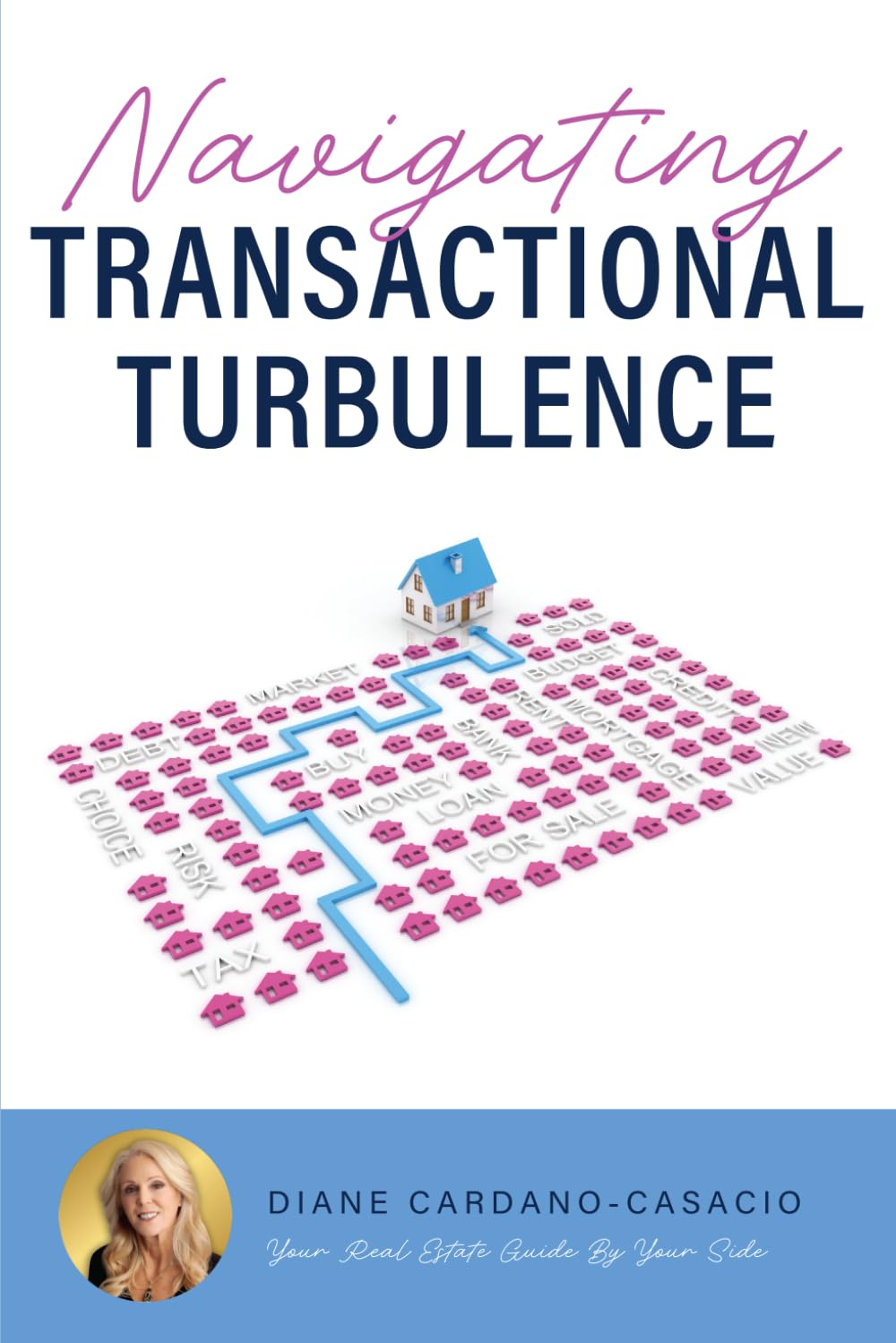
Questions about the book, your transaction, or Pennsylvania real estate? Reach Diane the same way her clients do - direct line, direct reply.
A transactional turbulence is any challenge, obstacle, or surprise that can delay, complicate, or derail a real estate transaction. The book identifies 116 of them - from financing issues and inspection surprises to seller cold feet and title defects - and provides Diane's guidance for navigating each one.
Home buyers and sellers who want to understand what can go wrong and how to prevent it. Real estate agents who want a reference library of deal-saving tactics. Attorneys, lenders, and escrow officers who want to see the transaction from the agent's perspective. Anyone navigating a Pennsylvania or New Jersey real estate transaction will find practical value on every page.
Diane and the CARDANO, REALTORS® team serve Montgomery, Bucks, Philadelphia, Chester, and Delaware counties in Pennsylvania, along with South Jersey and the Jersey Shore. Many of the transaction principles in the book apply universally, but Diane's direct guidance is focused on these regional markets.
Especially so. First-time buyers are most often blindsided by the turbulences covered in the book - income documentation issues, appraisal gaps, inspection surprises, and last-minute cash shortfalls. Reading it before you write your first offer is one of the highest-leverage things a first-time buyer can do.
Call or text Diane at 215.576.8666, or email Diane@CardanoTeam.com. You can also visit thedianecardanoteam.com to learn more about her team and services.
Each of the 116 turbulences is its own short, focused chapter - so you can read front-to-back or jump straight to the issue you're facing. The chapters loosely group by source: buyer-driven, seller-driven, lender-driven, property-related, escrow and title, appraisal and inspection, and agent-related.